Scandinavian Easter Floral Pattern: A Designer's Guide
There is a distinct quietude in Nordic design that speaks volumes without shouting. When you encounter a Scandinavian Easter Floral Pattern, you aren't just looking at flowers; you are engaging with a visual language rooted in simplicity, functionality, and a deep appreciation for nature's subtle cycles. For designers, crafters, and brand strategists, this aesthetic offers more than just seasonal decoration. It provides a versatile foundation for creating work that feels both timeless and immediately relevant. Whether you are developing a new brand identity for a boutique candle company or designing a limited-edition run of greeting cards, understanding the nuances of these patterns can elevate your output from generic to genuinely compelling.
The appeal of this style lies in its restraint. Unlike the ornate, heavy botanical illustrations of the Victorian era or the hyper-realistic renders common in modern stock photography, Scandinavian florals embrace negative space and stylized forms. The lines are often clean yet organic, suggesting movement rather than freezing it in time. When applied to a Scandinavian Easter Floral Pattern, this approach captures the essence of spring—renewal and lightness—without relying on clichéd pastels or overly saturated colors. The result is a creative font of imagery that pairs exceptionally well with both serif font choices for a classic editorial look and sans serif font options for a modern, minimalist vibe.
Visual Characteristics and Design Personality
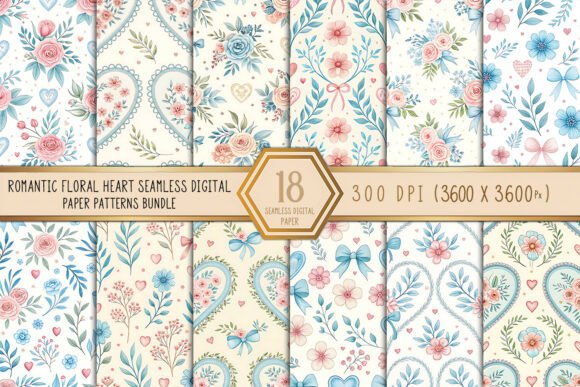
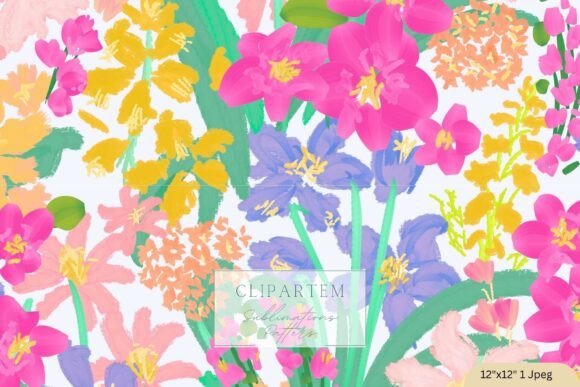
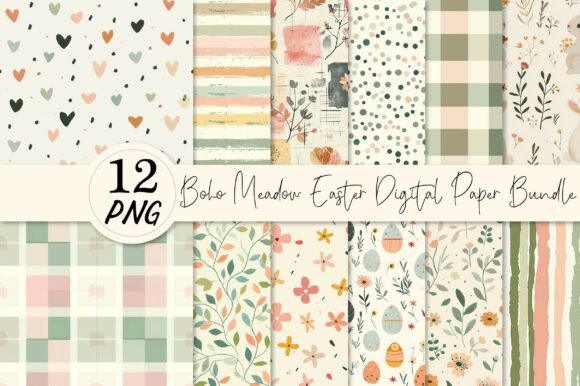
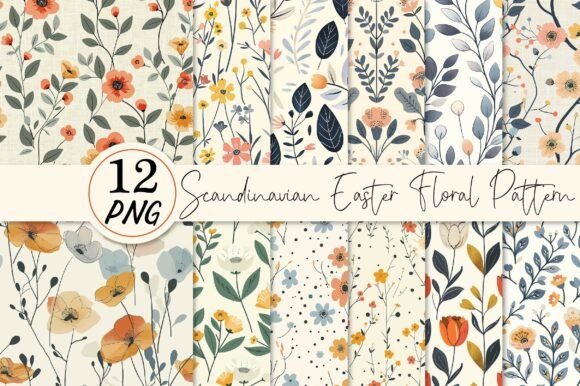
To effectively utilize these assets, one must first understand their DNA. A true Scandinavian Easter Floral Pattern typically features native flora such as birch leaves, wild anemones, lingonberries, and simple tulips. The color palette is often muted, drawing from earth tones, soft greens, and desaturated blues, though spring variations might introduce gentle yellows or corals. The "distressed effect" mentioned in many premium collections adds a layer of tactile authenticity. This texture mimics the look of letterpress printing or worn fabric, giving digital files a sense of history and warmth that flat vectors often lack.
This textural quality is crucial for packaging design and physical products. When you print these high-resolution files (typically 300 dpi) onto materials like kraft paper, linen, or matte cardstock, the distressed elements interact with the substrate to create depth. It prevents the design from looking like a sticker slapped onto a surface. Instead, it feels integrated, as if the pattern belongs to the object itself. For logo design or iconography derived from these patterns, this means your brand marks will retain their character even when scaled down, provided the line weights are balanced correctly.
The personality of this style is inherently welcoming but professional. It avoids the whimsical chaos of some handwritten font inspired graphics, opting instead for a structured arrangement that guides the eye. This makes it an excellent choice for editorial design where readability is paramount. The floral elements act as framing devices or section breaks, enhancing the visual hierarchy without competing with the body text. In a world cluttered with loud visuals, the understated elegance of Nordic florals offers a moment of calm, which can significantly boost audience engagement by reducing cognitive load.
Strategic Applications Across Media
The versatility of a Scandinavian Easter Floral Pattern extends far beyond holiday-specific projects. While the "Easter" label suggests a seasonal window, the underlying botanical themes are evergreen. Smart entrepreneurs and marketers know that these assets can be repurposed year-round with slight adjustments in color grading or context. For instance, a pattern featuring budding branches works perfectly for a spring product launch, a wellness brand's rebranding, or even a wedding invitation suite.
In the realm of social media graphics, these patterns provide a consistent backdrop that strengthens brand recognition. When used as a watermark or a border for Instagram stories, they establish a cohesive aesthetic that followers begin to associate with your content. Because the designs often come with transparent backgrounds, integrating them into web design is seamless. They can serve as hero image overlays or subtle textures in footer sections, adding sophistication without slowing down page load times if optimized correctly.
For physical creators, the utility is equally broad. Consider the potential for stickers and scrapbooks. The 12x12 inch resolution ensures that whether you are printing a single sticker or a full sheet, the edges remain crisp. The distressed effect shines here, giving handmade goods a premium, artisanal feel that justifies a higher price point. Similarly, for t-shirts and tote bags, these patterns offer a fashion-forward alternative to graphic tees. They appeal to consumers who prefer subtle branding over large, aggressive logos. When paired with a strong display font for a slogan, the floral element softens the message, making it more approachable.
Maximizing Value and Technical Execution
Working with digital downloads requires a keen eye for detail to ensure the final product matches your vision. Since you are receiving PNG files with transparent backgrounds, your workflow should focus on layer management. In software like Photoshop, Procreate, or Illustrator (after tracing), treat each floral element as a separate layer if possible, or group them logically. This allows you to adjust opacity or blend modes to suit different background colors. Remember that colors may vary depending on devices and printers; always request a physical proof or print a test swatch before committing to a large production run.
When selecting a font pairing to accompany your Scandinavian Easter Floral Pattern, consider the mood you wish to convey. A geometric sans serif font will amplify the modern, clean aspects of the design, ideal for tech startups or contemporary home decor brands. Conversely, a delicate script font or a traditional serif font can lean into the heritage and craft aspects, perfect for bakeries, florists, or lifestyle bloggers. The key is consistency. Your typography should feel like it grew out of the same soil as the floral graphics.
It is also vital to respect licensing terms. Most premium collections intended for commercial use allow you to sell physical end products like cards or shirts, but restrict the resale of the digital files themselves. Always review the specific license included with your download. This protects your business and respects the creator's intellectual property. By treating these design assets as foundational building blocks rather than quick fixes, you ensure that your projects maintain a high standard of professionalism.
Ultimately, the power of a Scandinavian Easter Floral Pattern lies in its ability to tell a story of simplicity and quality. In a market saturated with noise, choosing a design language that values clarity and natural beauty is a strategic move. It signals to your audience that you care about details, that you value sustainability, and that you understand the balance between form and function. Whether you are a hobbyist creating gifts for family or a small business owner launching a new collection, these patterns offer a reliable, aesthetically pleasing toolkit. Embrace the negative space, trust the muted tones, and let the organic shapes guide your creative process toward something truly enduring.