Unlocking Creative Potential: The Ultimate Guide to Autumn Leaves Seamless Digital Paper
In the ever-evolving landscape of digital design, the demand for high-quality, versatile assets has never been greater. Whether you are a professional graphic designer, a small business owner crafting unique packaging, or a hobbyist passionate about scrapbooking, the foundation of any great project often lies in the background. Enter the world of Autumn Leaves Seamless Digital Paper. These assets are not merely static images; they are dynamic tools designed to elevate your creative output across a multitude of platforms. From print media to digital interfaces, understanding how to leverage these amazing seamless pattern backgrounds can transform ordinary projects into extraordinary experiences.
What Exactly is Seamless Digital Paper?
To truly appreciate the value of autumn-themed digital papers, one must first understand the concept of "seamlessness." In traditional photography or illustration, an image has distinct edges. If you try to repeat that image side-by-side to cover a larger area, you will see visible lines or breaks where one image ends and the next begins. This is known as a "seam."
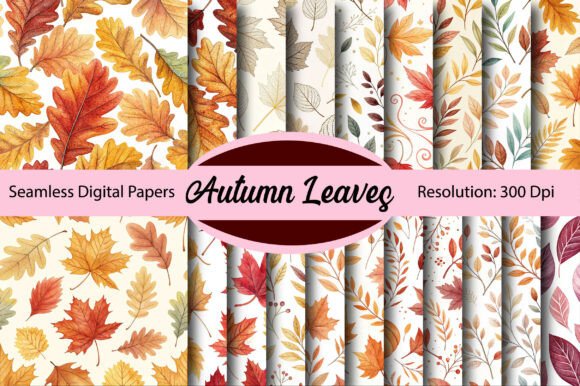
Seamless digital paper, however, is engineered differently. The edges of the image are mathematically aligned so that when the image is tiled (repeated) horizontally and vertically, the transition is invisible to the human eye. The result is an infinite pattern that can cover a surface of any size without interruption. When applied to the theme of autumn leaves, this means you can create a backdrop of falling maple, oak, and birch leaves that flows naturally, mimicking the organic randomness of nature itself.
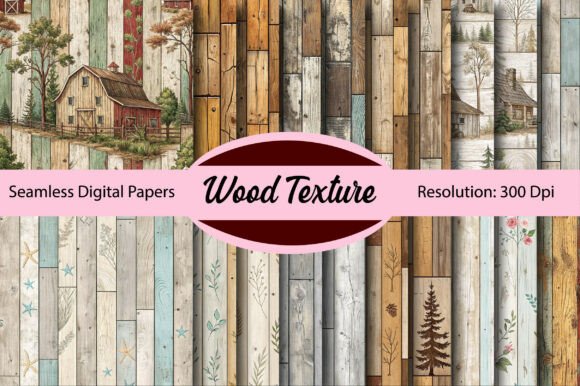
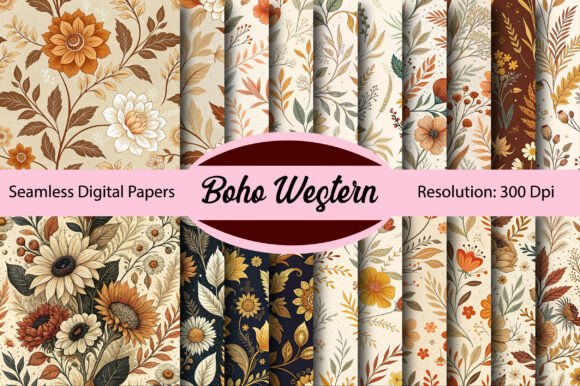
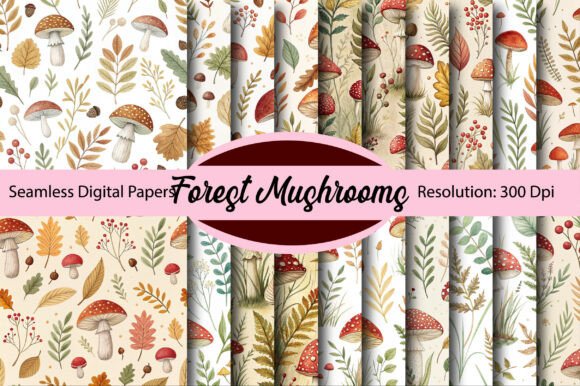
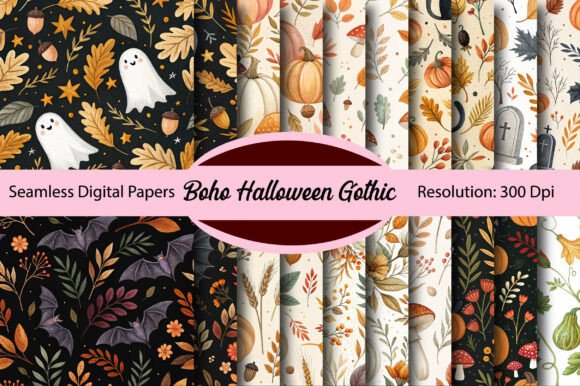
These files are typically provided in JPEG format at a resolution of 300 DPI (dots per inch). This specific resolution is the industry standard for high-quality printing, ensuring that whether you are printing a business card or a large poster, the details of the leaf veins and color gradients remain crisp and clear, free from pixelation.
The Significance of High-Resolution Assets in Modern Design
In an era where visual content is king, the quality of your assets directly correlates with the perceived value of your brand or project. Using low-resolution images found via a quick search engine query can lead to blurry prints and unprofessional-looking websites. This is where the importance of 300 DPI seamless patterns becomes paramount.
For print applications, such as packaging, party packs, and greeting cards, 300 DPI ensures that the rich oranges, deep reds, and golden yellows of autumn foliage are reproduced with fidelity. For digital applications, such as website backgrounds or blog headers, these high-resolution source files allow designers to scale the image down for web use without losing detail, or crop specific sections to create unique focal points.
Furthermore, the versatility of these patterns extends beyond simple aesthetics. They serve as a psychological trigger. Autumn is universally associated with warmth, harvest, transition, and comfort. By integrating these themes into your work, you tap into a collective emotional response that can make your content more engaging and relatable.
Practical Applications Across Industries
The utility of autumn leaves seamless digital paper is vast, bridging the gap between physical crafts and digital innovation. Here is how different sectors can utilize these assets:
- Packaging and Branding: Small businesses selling artisanal goods, such as candles, soaps, or baked goods, can use these patterns for box liners, labels, and wrapping paper. A seamless leaf pattern adds a touch of seasonal elegance that justifies a premium price point.
- Fashion and Textiles: Fashion designers can apply these digital papers to fabric mockups to visualize how a fall collection might look before committing to production. The seamless nature ensures the pattern repeats correctly on rolls of fabric.
- Digital Scrapbooking: Enthusiasts can layer these backgrounds with photos, stickers, and journaling cards to preserve memories of fall festivals, Thanksgiving gatherings, or Halloween events. The transparent nature of some pattern overlays allows for complex, textured layouts.
- Web and App Design: Developers can use these patterns as subtle background textures for landing pages, reducing the need for heavy code while adding visual depth. They are perfect for seasonal promotions or thematic blog posts.
- Papercraft and Party Packs: From invitations to cupcake wrappers, the ability to print these patterns at home or at a professional print shop allows for fully customized party themes without the high cost of custom manufacturing.
Clarifying Common Misunderstandings
Despite their popularity, there are several misconceptions regarding seamless digital papers that often hinder beginners from using them effectively.
Misconception 1: "Seamless means the pattern looks exactly the same everywhere."
In reality, a well-designed seamless pattern, especially one featuring natural elements like leaves, is crafted to appear random. While the mathematical tile repeats, the arrangement of individual leaves is varied enough that the human eye does not detect the grid. High-quality autumn leaf patterns utilize variation in leaf orientation, color, and size to maintain organic realism.
Misconception 2: "JPEGs cannot have transparency."
It is true that the standard JPEG format does not support alpha channels (transparency). However, many "seamless digital paper" packs include JPEGs for the main background texture and may offer PNG versions for overlay elements, or the term "transparent pattern" in marketing materials refers to the visual lightness of the design rather than the file format itself. Always check the file specifications. If you require true transparency for layering over other colors, ensure you are using the correct file type (usually PNG) if provided, or use the JPEG as a solid background layer in your design software.
Misconception 3: "300 DPI is only for printing."
While 300 DPI is essential for print, starting with a high-resolution file gives digital designers flexibility. You can always downsample an image for the web (to 72 DPI) to reduce file size, but you cannot upsample a low-resolution image for print without losing quality. Owning the 300 DPI master file future-proofs your projects.
How to Integrate These Patterns into Your Workflow
Integrating these assets into your daily creative routine is straightforward, regardless of your skill level. Most modern design software, including Adobe Photoshop, Illustrator, Canva, and Procreate, supports seamless patterns natively.
- Import the Asset: Download your autumn leaves seamless digital paper in JPEG format.
- Define the Pattern: In software like Photoshop, you can define the image as a pattern. This allows you to fill any layer or selection with the repeating leaf design instantly.
- Adjust Scale and Opacity: One of the greatest advantages of digital paper is adjustability. You can scale the leaves to be microscopic for a subtle texture or enlarge them for a bold, statement background. Lowering the opacity can create a watermark effect suitable for document backgrounds.
- Layering: Combine the leaf pattern with solid colors, gradients, or typography. Because the pattern is seamless, it acts as a neutral yet textured canvas that allows text to remain legible while adding seasonal flair.
The Broader Impact on Creativity and Efficiency
Beyond the aesthetic appeal, utilizing pre-made seamless digital papers significantly enhances workflow efficiency. Creating a realistic, hand-drawn seamless pattern from scratch requires significant time, artistic skill, and technical knowledge of vector or raster manipulation. By leveraging high-quality existing assets, creators can bypass the tedious creation phase and focus on composition, messaging, and storytelling.
This democratization of design resources allows educators to create engaging autumn-themed worksheets, marketers to launch timely campaigns, and crafters to produce professional-grade items without needing a degree in graphic design. It levels the playing field, ensuring that the final output looks polished and intentional.
Moreover, in the context of sustainability, digital papers offer an eco-friendly alternative to physical stock. Instead of purchasing rolls of physical wrapping paper that may go to waste, users can print exactly the amount they need. For digital-only projects, it eliminates the carbon footprint associated with shipping physical materials entirely.
Conclusion
Autumn leaves seamless digital paper represents more than just a decorative element; it is a fundamental building block for modern creativity. With their 300 DPI resolution, seamless tiling capabilities, and versatile JPEG format, these assets bridge the gap between the digital and physical worlds. Whether you are designing a website, crafting a scrapbook page, or packaging a product, these patterns provide the perfect backdrop to tell your story.
By understanding the technical nuances and exploring the diverse applications of these backgrounds, you can unlock new levels of professionalism and artistic expression in your work. As the seasons change, let the warm hues and organic textures of autumn inspire your next project, proving that sometimes, the best foundation for something new is a pattern that goes on forever.