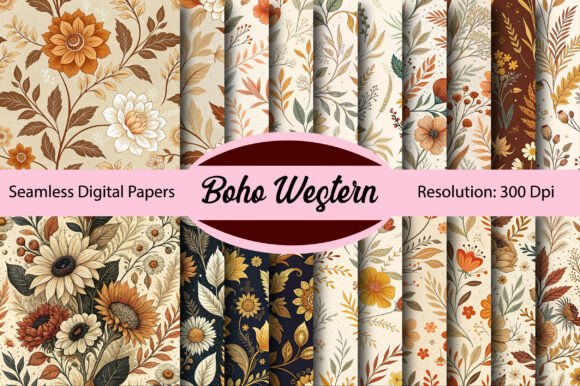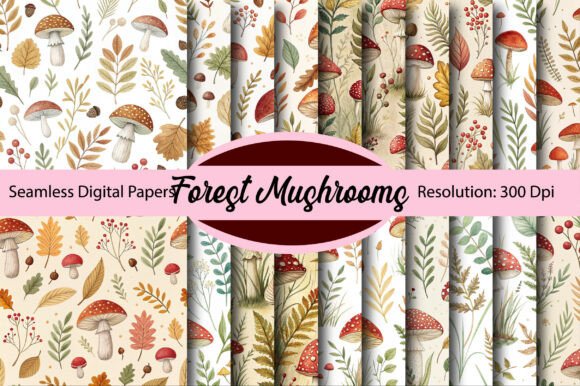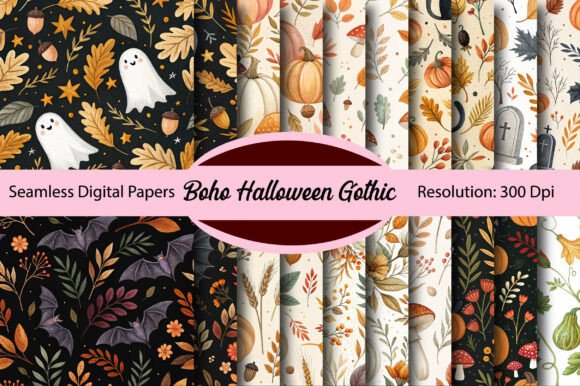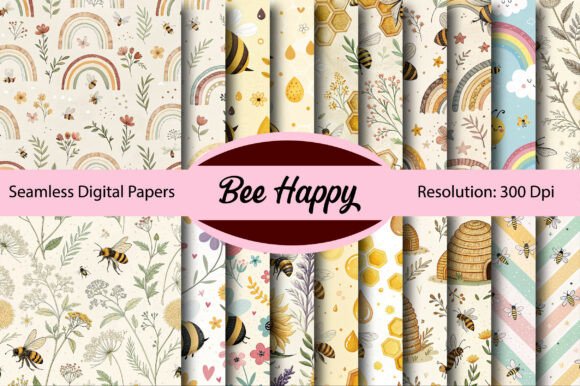
Unlocking Creative Potential with High-Resolution Wood Texture Seamless Digital Paper
In the evolving landscape of digital design and physical crafting, the demand for authentic, high-quality textures has never been greater. Among the most versatile resources available to creators today is Wood Texture Seamless Digital Paper. These assets serve as a foundational element for a vast array of projects, bridging the gap between the organic warmth of natural materials and the precision of digital production. Whether you are a professional graphic designer, a hobbyist scrapbooker, an educator creating classroom materials, or a business owner developing packaging solutions, understanding the utility and application of these seamless patterns is essential for elevating your work.
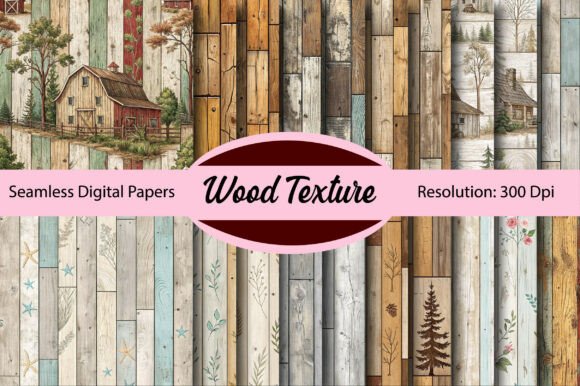
The core value of these digital assets lies in their resolution and format. Typically offered at 300 dpi in JPEG format, these files provide the clarity required for professional printing while remaining lightweight enough for web use. The "seamless" nature of the pattern ensures that when tiled, the image repeats without visible breaks or edges, allowing designers to cover surfaces of any dimension without compromising the aesthetic integrity of the wood grain.
The Technical Advantage of 300 DPI Seamless Patterns
When selecting digital backgrounds, resolution is often the deciding factor between a amateur-looking result and a professional finish. A resolution of 300 dots per inch (dpi) is the industry standard for high-quality print production. This density ensures that when a Wood Texture Seamless Digital Paper is used for physical outputs like greeting cards, packaging boxes, or large-format posters, the wood grain remains crisp and detailed rather than pixelated or blurry.
Furthermore, the JPEG format offers a balance of compatibility and file size efficiency. Unlike vector files which require specific software to edit, JPEGs can be opened and utilized in almost any image editing program, from industry-standard suites to free, open-source applications. The seamless characteristic is particularly technical; it implies that the left edge of the image matches the right edge, and the top matches the bottom perfectly. This allows for infinite tiling, meaning a small file can generate a background large enough to wrap around a building or fill a massive billboard without loss of quality.
Diverse Applications Across Industries
The versatility of amazing seamless pattern digital paper backgrounds extends far beyond simple decoration. Their application varies significantly depending on the industry and the specific needs of the project.
- Fashion and Textile Design: In the fashion world, digital prints on fabric are increasingly popular. Wood textures provide a unique, earthy aesthetic for clothing lines, scarves, and accessories that aim to connect with nature-inspired trends.
- Packaging and Branding: Businesses seeking to convey sustainability or rustic charm often utilize wood textures for product packaging. From coffee bags to cosmetic boxes, these backgrounds add a tactile feel to the visual experience, even before the customer touches the product.
- Web and UI Design: For websites and blogs, a subtle wood grain background can add depth and warmth to a user interface, preventing the sterile look of flat white backgrounds. It is particularly effective for portfolios, artisanal e-commerce stores, and lifestyle blogs.
- Event Planning and Party Packs: Custom party invitations, banners, and cupcake wrappers benefit greatly from these textures. A cohesive theme using a specific wood tone can unify an entire event's visual identity.
Empowering Crafters and Educators
Beyond commercial applications, these digital papers are indispensable tools for the maker community and educational sectors. For scrapbooking backgrounds and digital scrapbooking, the ability to layer high-resolution textures adds a realistic dimension to memory-keeping projects. Crafters can print these patterns on cardstock to create handmade journals, photo albums, or decorative elements that mimic real wood without the weight or cost.
Educators also find immense value in these resources. Creating engaging classroom materials, such as bulletin board borders, certificate backgrounds, or worksheet headers, becomes effortless with seamless patterns. A history lesson on colonial times, for instance, can be visually enhanced with appropriate wood textures, helping students immerse themselves in the period being studied. Similarly, researchers presenting data can use these neutral yet textured backgrounds to make their slides and reports stand out without distracting from the content.
Integrating Textures into Workflows
Incorporating Wood Texture Seamless Digital Paper into a creative workflow is straightforward but requires attention to detail to maximize results. The process generally begins with selecting the right tone and grain pattern to match the project's mood. Lighter woods may suggest cleanliness and modernity, while darker, knottier grains evoke tradition and robustness.
- Selection: Choose a pattern that complements the foreground elements. If the design includes heavy text or complex illustrations, a subtler wood grain is preferable to avoid visual clutter.
- Tiling: In design software, set the image as a pattern fill. Because the file is seamless, the software will automatically repeat the image across the canvas without visible seams.
- Adjustment: Adjust opacity or blending modes. Often, overlaying a wood texture at reduced opacity over a solid color can create a sophisticated, muted effect suitable for professional documents.
- Output: Ensure the final export settings match the intended medium. For print, maintain the 300 dpi setting; for web, optimize the file size to ensure fast loading times while retaining visual fidelity.
Considerations for Professional Implementation
While the benefits are numerous, successful implementation requires an understanding of how light and color interact with texture. Wood textures are not uniform; they contain variations in hue and shadow. When used as a background for text, it is crucial to ensure sufficient contrast. Designers often apply a semi-transparent overlay or a text shadow to ensure readability against the varying tones of the wood grain.
Additionally, the context of the "transparent pattern" mentioned in some asset descriptions warrants clarification. While the base JPEG is a rectangular image, the seamless nature allows it to function effectively as a mask or a fill layer in advanced editing workflows. Professionals often use these textures to clip images, giving photographs a wooden frame appearance or integrating products into a wooden setting realistically.
The Role of Authenticity in Digital Design
In an era where digital saturation is high, audiences crave authenticity. Realistic wood textures provide a connection to the physical world that flat colors cannot achieve. This psychological impact is why Wood Texture Seamless Digital Paper remains a staple in design libraries. Whether used for a fashion project aiming for an eco-friendly vibe or a party pack designed for a rustic wedding, the texture communicates values of durability, nature, and warmth.
For business owners, this translates to brand perception. A company using high-quality, consistent textures across its website backgrounds, packaging, and marketing materials presents a cohesive and thoughtful brand image. It suggests attention to detail and a commitment to quality, traits that resonate with consumers.
Future Trends in Textural Design
As technology advances, the line between digital and physical continues to blur. The use of high-fidelity textures like these is becoming integral to augmented reality (AR) experiences and 3D modeling. A seamless wood pattern can be mapped onto a 3D object in a virtual environment, providing a realistic surface for users to interact with. This expands the utility of these 2D JPEGs into the realm of immersive media, proving that a simple texture file is a future-proof asset.
Moreover, the trend towards customization means that creators are increasingly looking for base layers they can manipulate. A standard wood texture can be color-shifted, distressed, or combined with other elements to create something entirely unique. This flexibility makes Wood Texture Seamless Digital Paper not just a background, but a raw material for innovation.
Ultimately, the integration of amazing seamless pattern digital paper backgrounds into your projects offers a blend of aesthetic appeal and practical functionality. From the precise requirements of printing and papercraft to the dynamic needs of web design and digital scrapbooking, these resources empower creators to produce work that is both visually stunning and technically sound. By leveraging the high resolution and seamless capabilities of these files, professionals and hobbyists alike can unlock new levels of creativity and engagement in their respective fields.