Embracing the Mediterranean Floral Village Pattern in Modern Design
In an era where digital interfaces dominate our daily interactions, there is a growing and palpable desire for tactile warmth and visual nostalgia. This shift is nowhere more evident than in the rising popularity of the Mediterranean Floral Village Pattern. This design aesthetic captures the imagination by blending architectural charm with organic abundance, offering a visual escape to sun-drenched European coastlines. It is not merely a decorative choice; it represents a broader movement toward "slow living" and intentional design that prioritizes emotional connection over sterile minimalism.
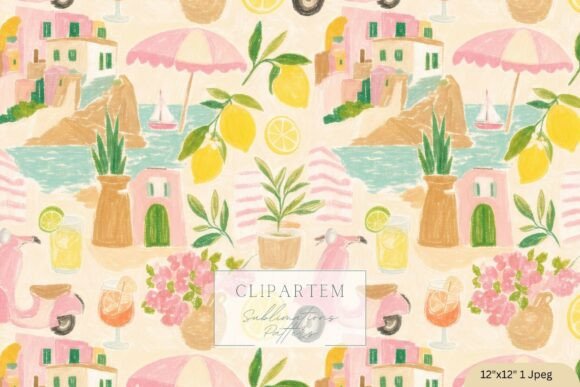
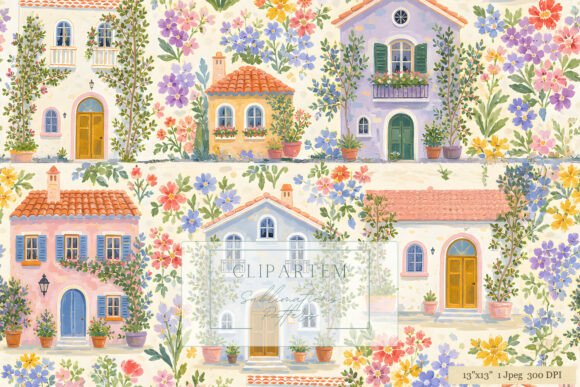
The core of this trend lies in its ability to transport the viewer. Imagine charming watercolour Mediterranean village houses surrounded by lush wildflowers in a soft, dreamy repeat surface pattern. This enchanting surface pattern features a repeating arrangement of quaint European-style cottages and villas rendered in a loose, expressive watercolour style. Unlike rigid vector graphics or flat illustrations, the watercolour medium introduces a sense of imperfection and humanity that resonates deeply with modern audiences seeking authenticity.
The Evolution of Nostalgic Aesthetics in Surface Design
Design trends often cycle between the ultra-modern and the historically rooted. For the past decade, clean lines and monochromatic palettes ruled interior decor and fashion. However, as remote work became standard and global uncertainty increased, consumer preferences shifted toward environments that feel safe, warm, and inviting. The Mediterranean Floral Village Pattern answers this call by evoking the timeless stability of old-world architecture combined with the fleeting beauty of nature.
This specific aesthetic has evolved from simple floral prints to complex narrative scenes. Early iterations of cottage-core designs often focused solely on flowers or generic farmhouses. Today's iteration is more sophisticated, incorporating distinct architectural details that tell a story. Each house is distinct — one in warm terracotta yellow with an arched mustard door, one in soft lavender with green shutters and a balcony, one in blush pink with blue shutters and a lantern, and one in pale white with a central arched doorway. These variations prevent visual monotony and encourage the eye to wander, mimicking the experience of strolling through a real village.
The relevance of this pattern extends beyond mere aesthetics; it aligns with the psychological need for "biophilic design"—the concept of connecting with nature within built environments. Every facade is adorned with terracotta flower pots, climbing vines, and lush topiary trees framing the structures in organic greenery. By integrating these elements, the pattern bridges the gap between indoor living spaces and the outdoor world, a priority for many homeowners and renters alike who seek to bring the outside in.
Practical Applications Across Industries
The versatility of the Mediterranean Floral Village Pattern makes it a valuable asset for creators and businesses across various sectors. Its application is not limited to traditional textiles; it has found a robust home in digital products and custom merchandise, reflecting the diversification of modern creative workflows.
For the textile and home décor industry, this pattern is ideal for fabric yardage, quilting cotton, home décor, throw pillows, tote bags, and wallpaper. The warm cream background ensures that the design does not overwhelm a room but rather acts as a comforting anchor. In contrast to bold, high-contrast geometrics that can feel aggressive in a living space, the soft blends of periwinkle blue, cobalt, coral red, soft pink, golden yellow, and lavender wildflowers create a harmonious atmosphere conducive to relaxation.
Digital creators and entrepreneurs are also leveraging this aesthetic to build cohesive brand identities. The pattern is perfectly suited for scrapbooking paper, stationery, sublimation printing, Canva templates, and Procreate or Photoshop design projects. A wedding planner, for instance, might use this motif for invitation suites to evoke a romantic, destination-wedding feel without the couple needing to travel abroad. Similarly, a lifestyle blogger could utilize these graphics for social media templates to convey a sense of curated elegance and approachability.
The technical execution of these patterns also matters. The "loose, expressive watercolour style" requires careful handling in digital formats to ensure the texture translates well on screen and in print. Designers working in Procreate or Photoshop must pay attention to resolution and color profiling to maintain the integrity of the sage, olive, and forest green leaves that weave between the blooms. When done correctly, the result is a garden-in-full-bloom atmosphere that feels tangible even on a digital device.
Aligning with Seasonal and Lifestyle Shifts
While often associated with summer, the utility of this design language extends throughout the year, adapting to seasonal moods and lifestyle shifts. Perfect for spring and early summer collections, the vibrant flora signals renewal and growth. However, the architectural elements—the sturdy walls, the terracotta roofs, the enclosed courtyards—provide a sense of shelter that remains appealing during autumn and winter.
Consumers are increasingly looking for products that offer longevity rather than fleeting trendiness. A tote bag or a set of curtains featuring the Mediterranean Floral Village Pattern is less likely to feel dated next year compared to neon graphics or abstract shapes tied to a specific moment in pop culture. The themes of Tuscan villages, Greek island streets, and French countryside living are perennial. They represent an idealized version of life that transcends current events, offering a consistent source of comfort.
Furthermore, the rise of the "maker economy" has amplified the demand for such patterns. Hobbyists engaged in quilting, journaling, or DIY home improvement projects seek high-quality, distinctive designs that allow them to express individuality. The distinct colorways available in this pattern—ranging from the warm terracotta to the cool lavender—allow users to coordinate with existing décor or personal style preferences, fostering a deeper sense of ownership and satisfaction with their creations.
Strategic Implementation for Businesses
For business owners and marketers, understanding the nuance of this trend is crucial. Simply slapping a flower image on a product is no longer sufficient. Success lies in the curation of the entire experience. When launching a product line featuring these motifs, consider the narrative. Are you selling a pillowcase, or are you selling a quiet morning on a veranda overlooking the Amalfi Coast?
- Product Photography: Style shots should include natural light and complementary props like linen napkins, ceramic mugs, or dried lavender to reinforce the rustic, organic mood.
- Copywriting: Use language that emphasizes texture, emotion, and origin. Words like "hand-painted," "sun-drenched," and "timeless" resonate more effectively than generic descriptors.
- Cross-Platform Consistency: Ensure the pattern looks cohesive whether viewed on a mobile screen for an Instagram ad or printed on high-quality cardstock for packaging.
It is also important to recognize the technical demands of modern production. Whether utilizing sublimation printing for apparel or traditional rotary printing for fabrics, the complexity of the watercolour blends requires precise color matching. The transition from the soft pink of a shutter to the deep green of a vine must remain smooth to preserve the dreamy quality of the original artwork.
The Future of Romantic Rusticism
As we look forward, the trajectory of the Mediterranean Floral Village Pattern suggests a lasting impact on design culture. It signifies a maturation of the cottage-core movement, moving away from childish whimsy toward a more refined, adult appreciation of heritage and nature. This evolution mirrors societal changes where people are valuing history, craftsmanship, and sustainability.
The integration of these patterns into digital tools like Canva templates indicates a democratization of design. Small business owners who cannot afford custom illustrators can now access professional-grade assets that elevate their brand presence. This accessibility fuels further adoption, creating a feedback loop where the aesthetic becomes more ubiquitous yet remains desirable due to its inherent beauty and emotional resonance.
Ultimately, the power of this pattern lies in its details. It is the specific shade of mustard on an arched door, the way the cobalt flowers cluster against the cream background, and the organic framing of topiary trees that make it compelling. These elements work together to create a visual language that speaks of leisure, beauty, and a slower pace of life. In a fast-paced world, providing a visual sanctuary is perhaps the most valuable service a design can offer.
Whether applied to a physical quilt that will be passed down through generations or a digital background that brightens a daily workflow, the Mediterranean Floral Village Pattern stands as a testament to the enduring appeal of human-centric design. It reminds us that amidst technological advancement and changing markets, the desire for beauty, connection, and a touch of the pastoral remains a constant, driving force in how we shape our environments and express our identities.