Integrating the Blushing Honeysuckle Pattern into Professional Design Workflows
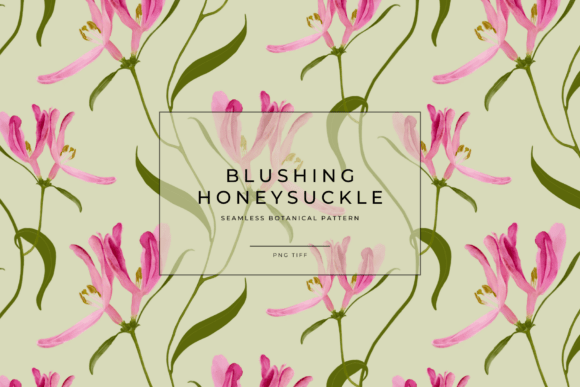
In the fast-paced world of surface pattern design and interior styling, selecting the right visual asset is often the difference between a project that feels disjointed and one that resonates with emotional clarity. The Blushing Honeysuckle Pattern represents more than just a decorative motif; it is a versatile tool for creators who need to balance aesthetic appeal with practical application. Inspired by the graceful beauty of climbing honeysuckle vines in full bloom, this elegant botanical pattern features hand-painted pink blossoms intertwined with flowing stems and delicate foliage. For professionals managing brand identities, home collections, or seasonal product lines, understanding how to integrate such a specific design language into a broader workflow is essential for efficiency and quality control.
The airy composition of this design captures the natural movement of garden vines, creating a visual rhythm that feels both romantic and sophisticated. Set against a soft sage-green background, the vibrant floral motifs provide a fresh yet timeless aesthetic that avoids the pitfalls of trending too quickly. When planning a project timeline, designers must consider where a pattern like this fits best. It serves as an ideal foundation during the conceptual phase, helping to establish a mood board that communicates tranquility and lightness before a single physical prototype is produced. By anchoring early decisions in a high-quality, watercolor-inspired illustration, teams can reduce revision cycles later in the process.
Strategic Placement in the Creative Process
Integrating the Blushing Honeysuckle Pattern requires a clear understanding of its role within your specific workflow. Whether you are a freelancer developing a stationery line or an entrepreneur launching a home décor collection, this pattern functions effectively at multiple stages of production.
- Pre-Production Planning: Use the pattern to define the color palette and emotional tone of a collection. The soft sage-green background offers a neutral yet distinct base that pairs well with earth tones, creams, or deeper forest greens, simplifying the selection of complementary materials.
- Asset Development: Because the artwork is a seamless repeating pattern with high-resolution capabilities, it can be scaled immediately for various outputs without losing integrity. This eliminates the need for extensive re-rendering when moving from digital mockups to print-ready files.
- Final Execution: The generous spacing between elements allows each bloom to shine, making it particularly effective for large-scale applications like wallpaper or curtains where detail retention is critical.
The watercolor brushwork adds depth and organic texture, which interacts uniquely with different substrates. In a textile workflow, for instance, this texture translates beautifully onto natural fibers like linen or cotton, enhancing the "hand-painted" feel that consumers associate with premium quality. Conversely, when applied to glossy stationery or gift wrap, the contrast between the matte appearance of the digital file and the sheen of the paper can create a sophisticated tactile experience. Recognizing these interactions early prevents costly mismatches between design intent and final product.
Compatibility Across Industries and Platforms
Versatility is a key metric for any design asset intended for commercial use. The Blushing Honeysuckle Pattern bridges the gap between traditional cottagecore aesthetics and modern floral trends, making it compatible with a wide range of industries. For interior designers, this pattern acts as a unifying element that can tie together disparate furniture pieces through upholstery or accent walls. The romantic botanical style aligns perfectly with English garden themes but is subtle enough to fit into contemporary spaces that require a touch of nature-inspired elegance.
In the realm of apparel and fashion, the pattern's flow works exceptionally well for draped fabrics. The continuous stems guide the eye across the garment, creating a flattering visual line. Marketers and brand managers can leverage this consistency across touchpoints. Imagine a lifestyle brand launching a spring collection where the same floral motif appears on packaging, social media graphics, and the products themselves. This level of cohesion strengthens brand recognition and creates a immersive customer journey. The pattern serves as a visual anchor, ensuring that whether a customer is browsing an online store or holding a physical product, the brand voice remains consistent.
Implementation Tips for Maximum Efficiency
To get the most out of this design, practitioners should adopt a structured approach to file management and application. High-resolution artwork is only as useful as the system used to deploy it. Start by organizing your digital assets into clearly labeled folders based on scale and format (e.g., vector for scalability, raster for texture). Since the Blushing Honeysuckle Pattern is suitable for both large-scale and small-scale applications, maintain separate versions optimized for each use case to ensure crisp output regardless of the medium.
When preparing for print, always request a strike-off or proof, especially for textiles. The watercolor effects rely on subtle gradations of pink and green that can shift depending on the printing method, whether it be digital sublimation, screen printing, or rotary printing. Quality control at this stage ensures that the "soft sage-green background" does not become muddy and that the "vibrant floral motifs" retain their intended pop. Furthermore, consider the repeat size. While the seamless nature of the pattern makes it flexible, adjusting the scale of the repeat can dramatically change the perception of space in interior applications. A larger repeat might feel more expansive and luxurious in a living room, while a smaller scale could add a delicate texture to bedding without overwhelming the sleeper.
Long-Term Value and Adaptability
Sustainability in design isn't just about materials; it's also about creating assets that have longevity. Trends in surface pattern design can be fleeting, but the classic elements found in the Blushing Honeysuckle Pattern—botanical accuracy, watercolor technique, and balanced composition—ensure relevance beyond a single season. This makes it a sound investment for businesses looking to build evergreen product lines. By focusing on timeless aesthetics rather than hyper-specific trends, you reduce the risk of inventory obsolescence.
Moreover, this pattern encourages cross-category expansion. A successful launch in home décor can naturally extend into lifestyle products like tote bags, journals, or even tech accessories. The underlying workflow remains the same: adapt the scale, verify the color profile for the new material, and maintain the brand narrative. This adaptability allows creators to maximize the return on their initial design investment. Instead of commissioning new art for every product category, you leverage a single, robust asset to populate an entire ecosystem of goods.
Ultimately, the success of integrating a design like this lies in respecting its inherent qualities. The organic texture and natural movement of the honeysuckle vines demand a thoughtful approach to layout and spacing. Avoid cluttering the design with competing patterns or overly aggressive typography. Let the artwork breathe. By doing so, you honor the artist's original vision of tranquility and lightness, delivering a final product that feels curated and intentional. Whether you are decorating a space, dressing a brand, or crafting a gift, the Blushing Honeysuckle Pattern offers a reliable, elegant solution that enhances the overall quality of your work.