Integrating the Red Peony Floral Pattern Digital into Professional Creative Workflows
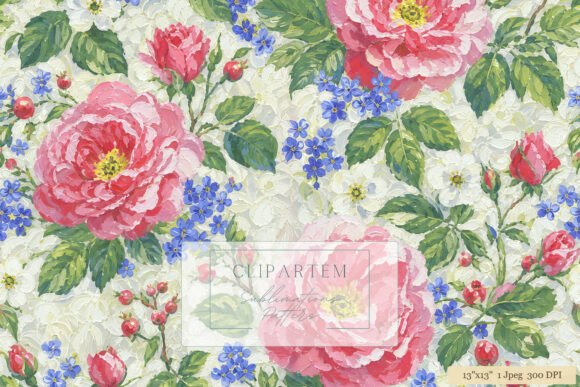
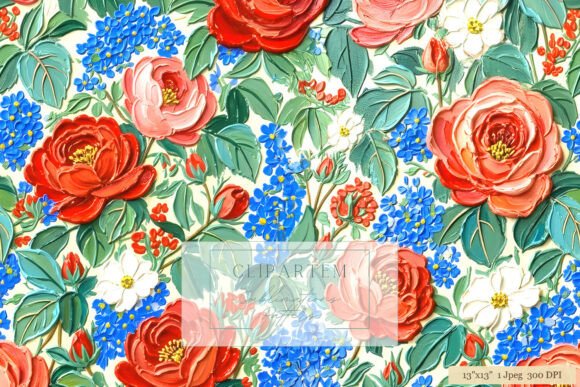
In the landscape of modern digital design, the selection of surface patterns is rarely just an aesthetic choice; it is a foundational decision that impacts production timelines, brand consistency, and final product quality. The Red Peony Floral Pattern Digital represents a specific class of asset designed to bridge the gap between traditional artistic expression and contemporary digital utility. This pattern, characterized by its bold painterly floral seamless nature, features red and blush peonies, cobalt forget-me-nots, and lush teal foliage on a cream background. For professionals ranging from graphic designers to small business owners, understanding how to integrate this specific asset into a broader workflow is essential for maximizing its value across fabric design, wallpaper, gift wrap, and print-on-demand (POD) products.
Defining the Asset Within a Production Pipeline
Before implementing any design element, one must understand its technical and visual properties. This richly layered floral surface pattern showcases large-scale painted peonies in deep crimson and soft blush pink as the dominant motifs. These are surrounded by clusters of vivid cobalt blue hydrangea-like blooms and delicate forget-me-nots, creating a complex visual hierarchy. Small white daisy-like flowers, red berry clusters, and unfurling rose buds add depth and variety throughout the composition. The foliage is rendered in multiple shades of teal and sage green, giving the design a lush, botanical garden feel with an oil-painted, impressionistic quality.
From a workflow perspective, the Red Peony Floral Pattern Digital serves as a high-fidelity base layer. Its 13x13 inch 300 DPI format ensures crisp results across all print and digital applications, making it suitable for sublimation printing, fabric yardage, scrapbooking papers, stationery, tote bags, cushion covers, home decor, and digital backgrounds. The colour story is bold and patriotic yet romantic — true red, coral-blush pink, royal cobalt blue, warm cream, and deep teal green work together in a classic floral arrangement reminiscent of vintage chintz, cottagecore aesthetics, and traditional English garden prints. Recognizing these attributes early in the planning phase allows creators to align the asset with projects requiring a handcrafted, artistic quality ideal for fabric design and other tangible goods.
Pre-Production: Compatibility and Software Integration
Successful integration begins with ensuring compatibility across your existing software ecosystem. This pattern is engineered for use in industry-standard tools such as Photoshop, Procreate, Canva, and Illustrator. When preparing for a project, the first step involves importing the high-resolution file into your preferred environment to assess scale and color fidelity.
For users working in Adobe Illustrator, the seamless nature of the pattern allows for immediate conversion into a swatch. This is critical for vector-based workflows where the pattern needs to be applied to variable-sized objects without losing resolution. In Photoshop or Procreate, the painterly brushstroke texture adds an artistic, handcrafted quality that can be further manipulated. Designers might choose to overlay text, adjust blending modes, or isolate specific elements like the cobalt forget-me-nots for secondary branding elements. Meanwhile, Canva users can leverage the pattern for rapid prototyping of social media graphics or marketing materials, taking advantage of the pre-balanced color palette which reduces the need for extensive color correction.
Efficiency in this stage relies on organization. Storing the Red Peony Floral Pattern Digital in a centralized asset library, tagged with keywords like "botanical," "vintage," and "high-res," ensures it is readily available when a client requests a cottagecore aesthetic or a traditional English garden print style.
Execution: Applying the Pattern Across Diverse Mediums
Once the asset is integrated into the software environment, the execution phase focuses on adapting the pattern to specific output requirements. The versatility of this design allows it to function effectively in both physical and digital realms.
Fabric and Home Decor Applications
For entrepreneurs managing print-on-demand businesses or custom fabric lines, the 300 DPI resolution is a non-negotiable requirement for quality control. When applying this pattern to tote bags or cushion covers, the large-scale painted peonies ensure that the motif remains visible and impactful even when the fabric is draped or folded. The seamless repetition prevents awkward cuts in the design, which is vital for continuous yardage. During the mockup creation process, designers should pay attention to how the deep teal green and royal cobalt blue interact with the base material of the product. Sublimation printing, in particular, benefits from the vibrant saturation of the true red and coral-blush pink, ensuring the final product matches the digital proof.
Paper Goods and Stationery
In the realm of scrapbooking papers and stationery, the pattern's intricate details—such as the unfurling rose buds and red berry clusters—add a layer of sophistication. Here, the workflow often involves tiling the pattern to create full-sheet backgrounds or cropping specific sections to frame invitations and greeting cards. The warm cream background provides excellent contrast for black or dark navy typography, facilitating legibility while maintaining the romantic atmosphere. Users should test print samples on different paper stocks to verify that the oil-painted texture translates well without appearing muddy, especially in the shadowed areas of the sage green foliage.
Digital Backgrounds and Marketing Assets
Beyond physical products, the Red Peony Floral Pattern Digital serves as a robust backdrop for digital marketing campaigns. Bloggers and content creators can use the pattern to establish a cohesive visual identity across website headers, email newsletters, and social media posts. The classic floral arrangement evokes a sense of trust and tradition, which can be particularly effective for brands in the lifestyle, wedding, or home improvement sectors. When used digitally, the file size and resolution should be optimized for web delivery to ensure fast loading times without sacrificing the clarity of the cobalt blue hydrangea-like blooms.
Quality Control and Long-Term Utility
Maintaining consistency across various outputs requires a disciplined approach to quality control. Because the pattern relies on a complex interplay of colors—from the vivid cobalt to the soft blush pink—monitoring color profiles (CMYK for print, RGB for digital) is essential to prevent shifts that could alter the intended mood. Professionals should establish a standard operating procedure (SOP) that includes a proofing stage where the pattern is reviewed under different lighting conditions or on calibrated monitors.
Furthermore, the long-term utility of this asset lies in its timeless aesthetic. Unlike trend-driven graphics that may become obsolete quickly, the traditional English garden prints style offers longevity. This allows businesses to build a recognizable brand language around the Red Peony Floral Pattern Digital, using it as a signature element across multiple product launches over several years. By archiving the original files alongside versions adjusted for specific platforms, organizations ensure they can revisit and repurpose the design efficiently as new opportunities arise.
Strategic Observations for Workflow Optimization
Integrating such a detailed pattern into a workflow also highlights the importance of version control. As you adapt the pattern for different clients or products—perhaps lightening the teal foliage for a spring collection or intensifying the crimson for a holiday line—maintain clear naming conventions for each iteration. This practice prevents confusion and ensures that the correct file is always selected for production.
Additionally, consider the psychological impact of the color story during the planning phase. The combination of bold reds and calming teals creates a dynamic balance that can influence consumer behavior. Marketers should leverage this by aligning the pattern with campaigns that aim to evoke feelings of warmth, nostalgia, and natural beauty. Understanding these nuances allows for more strategic deployment of the asset, moving beyond simple decoration to becoming a core component of the brand narrative.
Ultimately, the Red Peony Floral Pattern Digital is more than a static image; it is a flexible tool that, when managed with precision and foresight, can elevate the quality and coherence of diverse creative projects. By respecting its technical specifications and understanding its aesthetic potential, professionals can seamlessly weave this botanical masterpiece into their daily operations, delivering results that are both visually stunning and commercially viable.